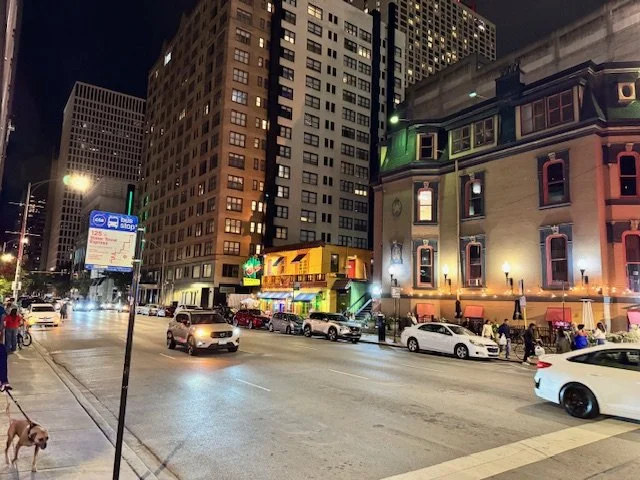
Night Driving
Mastering the Challenges of Night Driving
A Crucial Skill for Every Safe and Confident Driver
At South Metro Driving School, our goal is to prepare every student for real-world driving conditions - not just ideal ones. One of the most important and often overlooked experiences for new drivers is driving at night. That’s why we offer an optional Night Driving Lesson Upgrade, where students complete a portion of their Behind-The-Wheel training after dark with the supervision of a Professional Driving Instructor.
Why Night Driving Experience Matters
While most driver education programs focus on daytime driving, statistics show that the risk of crashes increases significantly after dark - especially for inexperienced drivers. According to the National Safety Council (NSC) and National Highway Traffic Safety Administration:
50% of traffic deaths occur at night, even though far fewer miles are driven after dark.
Teens are three times more likely to be involved in a fatal nighttime crash compared to adults.
Reduced visibility, glare, and fatigue are among the leading factors in nighttime driving incidents.
The Night Driving lesson upgrade is one of the most valuable experiences we offer - provide peace of mind for parents and practical confidence for students. Your teen will not only learn how to drive safely after dark but also gain the awareness and decision-making skills needed to stay safe for life.
What Students Learn During Night Driving Lessons
Our Night Driving Lessons are designed to help students develop awareness, confidence, and safe habits through guided, real-world experience. Under the supervision of a certified instructor, students learn to:
Adjust and use headlights effectively for maximum visibility and safety.
Identify and manage glare from oncoming traffic.
Scan and anticipate hazards earlier to compensate for reduced sight distance.
Adapt speed and following distance appropriately for low-light conditions.
Recognize signs of fatigue and learn when it’s safest to pull over.
Use mirrors and peripheral vision more effectively at night.
Our instructors emphasize defensive driving techniques and calm decision-making to help students feel comfortable and capable, even in challenging conditions.
-
Headlights illuminate only a small portion of the road, making it harder to detect hazards early.
-
Oncoming headlights and streetlights can cause temporary blindness or distraction.
-
Depth perception and peripheral vision both decrease at night.
-
Fatigue, impaired drivers, and wildlife crossings are more common after dark.
The Dangers of Night Driving