For Parents
PARENTS BE AWARE
Your future driver is watching every detail of all the things you do behind the wheel and will likely do as you do. If you speed, use your phone while driving in any capacity, tailgate, try to beat yellow lights, are a Road Rager, or demonstrate any other unsafe driving behavior - your son/daughter will do exactly the same thing. Please be a good role model and set an example of responsible driving - do it for the safety of your future driver.
What to say to your student driver during Supervised Driving
Advice From a Driving Instructor: If you’re feeling anxious about this experience (your child learning to drive) and aren’t sure if you want to laugh, cry, or be afraid - I understand your fears as they are definitely warranted. I see a lot of ‘exotic driving’, a lot of shenanigans on a daily basis - in my vehicle and the vehicles around me. Learning to drive can be a scary process but it is necessary for these young, inexperienced, and easily distracted students to learn how to drive safely now and for the future.
Besides the generic ‘tips and tricks’ any claimed expert on Driver Education might say, these are the most common student driver deficiencies, the most troublesome situations we encounter during lessons, and what I say to kids to help them manage the roadways as safely as possible. I say these things as part of my Commentary Driver Training (#stcloudstate), essentially a complete narration of the student driving experience. My goal is to talk students through their decision making progress and identify dangers as I see fit. Every driver is unique and comes with their own set of challenges; some need lots of verbal direction well in advance and others need minimal confirmation of what they are already doing well. There is no substitute for experience and it’s instantly clear to me who doesn’t have it. My number one suggestion is to get as many hours of supervised driving experience as possible, it’s the best path to improved driving.
If you’d like a further explanation on any of the topics listed below, or some other unique driving situation, Contact SMDS and we can discuss it.
-
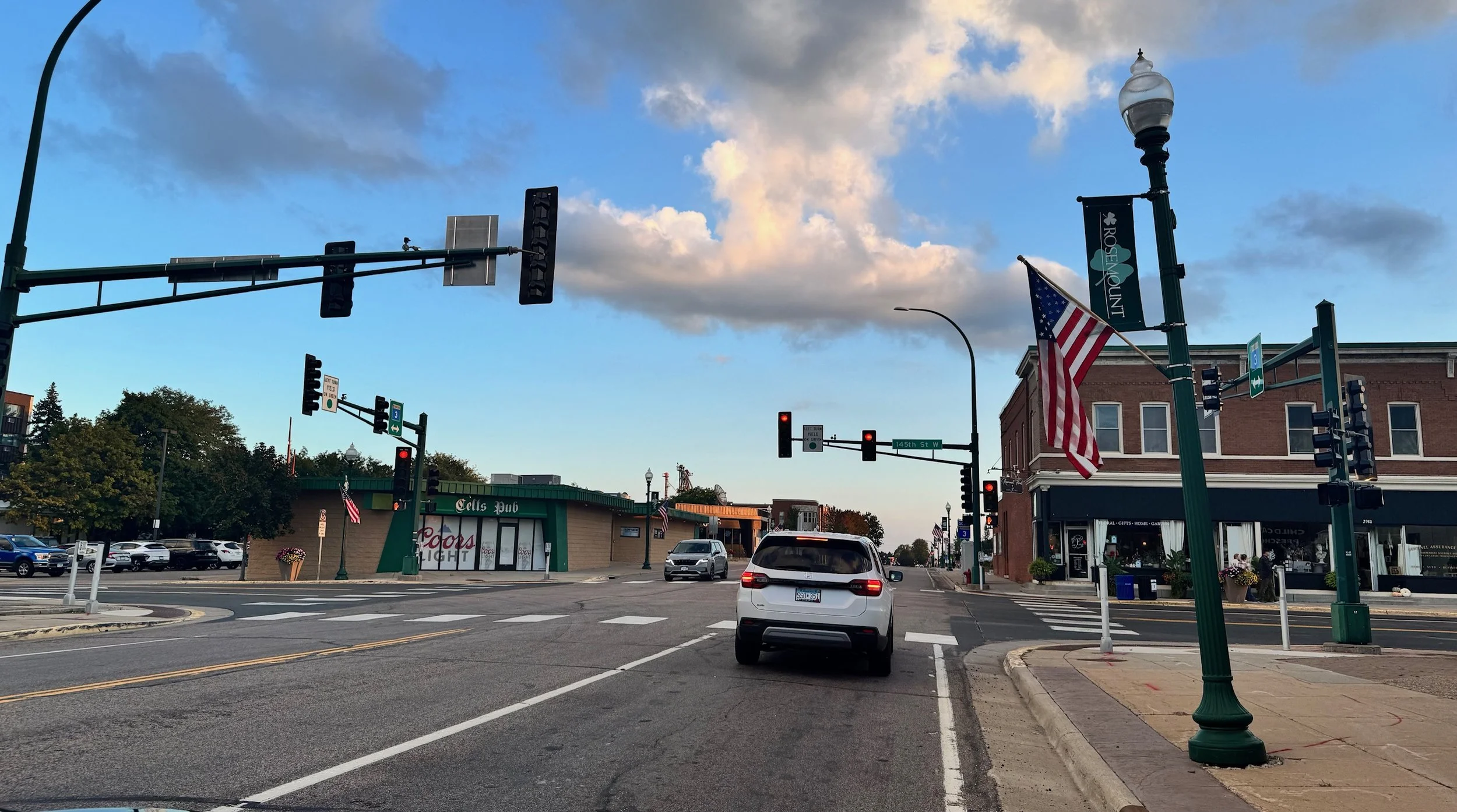
Left turns are the most dangerous driving maneuver drivers make on a daily basis. A Solid Green Arrow is considered a protected turn and the only time a driver making a left turn has the right of way. You DO NOT have the right away when turning left if you see a Circle Green Light, Flashing Yellow Arrow, or if there is no traffic control device such as a residential area. A large percentage of drivers do not know this or don’t pay attention when going through these intersections, protect yourself by always observing others.
-
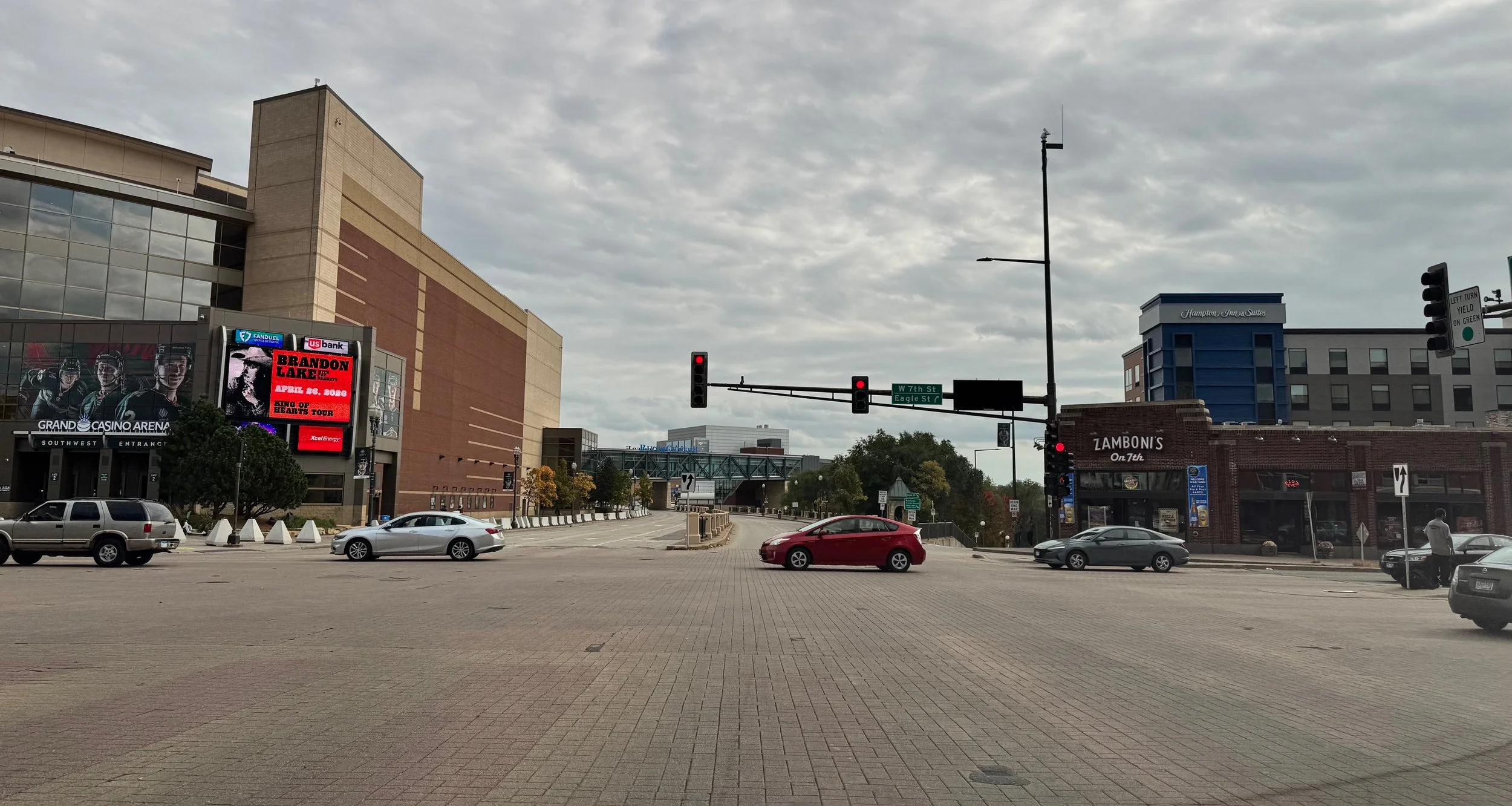
When merging, (or changing lanes on the freeway) match the speed of the lane you want to enter before making a move - this will make for easy entry. Cars in the right lane of the freeway have the right away and are not required to make space for you, so be sure there is space before entering the right lane. Use SMOG.
-
The advice on parking is not to practice until you’ve got 20 to 30 hours of driving experience under your belt. You’ll have a better feel for the vehicle, how far the bumpers stick out, how far and when to cut the wheel, and generally be more comfortable in the driver’s seat. Take it slow when parking; if you touch a cone during the road test you’ll lose points and if you knock a cone over you’ll fail immediately. There are a lot of variables when parking and how you park will be different every time, general control and confidence go a long way with parking success.
-
Speeds in residential areas are typically 30 mph or less and the driver’s focus should be on unpredictable obstacles that emerge from nowhere. The potential for children playing, bicyclists, walkers, joggers, kids toys, dogs, maintenance and delivery trucks, and other common things found on a suburban neighborhood street. Slow down, have a heightened awareness, and anticipate what could be in your travel path.
-
2-lane, 4-lane, divided and undivided highways are high speed like freeways but have stops on occasion. Undivided highways are the most troublesome because of the risk of head-on collisions and sometimes no shoulder. Pay attention to conditions ahead and always be prepared to stop. Entering a highway from a stopped position can be a challenge for new drivers; make sure you have enough space and your car is capable of accelerating to highway speeds before entering as to not ‘cut-off’ drivers.
-
Freeway driving includes high speeds, several lanes of traffic, and the need for navigational skills. The hardest part is merging on and off the freeway, but once you’re on the freeway - driving is quite simple. Maintain your speed, stay within your lane, maintain a 3-second following distance, and watch for brake lights ahead. If you see brake lights, be prepared to slow down. Create space and have a heightened awareness if you see a vehicle on either shoulder of the freeway.
-
Road rage is an angry reaction by a driver in response to another driver’s actions, which is often triggered by stress, impatience, or feeling disrespected on the road. It can be caused for any reason, sometimes simply because someone is having a bad day. The best way to handle it is to stay calm, avoid eye contact or retaliation, and create distance from aggressive drivers. Keep your cool and do not engage as this may fuel their rage. (Over 35% of people carry a weapon in their car at all times)
Why is this process so stressful?
It’s a combination of Anxiety, Inexperience, and Distraction; all three are strong contributors to this stress but are manageable with a little practice, awareness, and patience.
Young drivers are more easily distracted behind the wheel because they’re still developing their driving skills and their ability to manage multiple tasks at once. Unlike seasoned drivers, teens haven’t built the automatic habits that allow experienced drivers to focus on the road while handling other demands. On top of that, their brains - especially the parts that control impulse and attention - are still developing, making it harder to resist distractions like phones, music, or friends. (So science is against them) Peer pressure and a desire to stay socially connected can also increase the temptation to check messages or talk while driving. Altogether, these factors create a perfect storm where inexperience, immaturity, and modern distractions combine to make young drivers far more vulnerable to losing focus behind the wheel.
-
To avoid a rough start, use firm and steady pressure on the accelerator for smooth acceleration. Accelerating at low speeds is easier than at high speeds.
-
To avoid the classic student driver whiplash, brake hard early in the stopping process to take a big bite out of your speed, and feather back on the brake as you reach your stopping point. Remember S-T-O-P; the driver should Stop far enough back from the car in front to See their tires On the Pavement, this leaves about a 1-car length gap. This helps to avoid the last second hard brake and will cut down on parent stress.
-
Student drivers tend to weave within their lane often, this is because they generally focus on things directly in front of the vehicle. To correct this, look well down the travel path, your eyes will naturally direct your body where to drive, making it easier to stay in your lane. You’ll also be more prepared for obstacles on the roadway especially when traveling at high speeds.
-
Awareness of speed is a challenge for student drivers and they should check their speedometer often. A driver can control speed by using the brake, the accelerator, or taking their foot off of both pedals and allowing gravity to work. Sometimes it is necessary to slow down, speed up, or maintain speed.
-
The best grip on the wheel is ‘9 & 3’ and a driver can use the hand-over-hand, push-pull, shuffle, or ‘wiping-the-dishes’ methods to steer a vehicle. When making a turn it is best to slow to a control speed before you enter a turn, coast as you make the turn, and accelerate as you come out which will naturally straighten your tires without the need to counter-steer. (If you’re having trouble hitting the curb with that rear right tire, pull further into the intersection before cutting your wheels to the right)
-
The best reminder of how to change lanes is S-M-O-G; Signal intent first, check the rear and sideview Mirrors, look Over the shoulder to check the blind spot, and Go when it is safe. Checking the blind spot by looking over the shoulder is supremely important but most neglected part of changing lanes.
-
Drivers should maintain a 3-second following distance behind vehicles traveling in front of them. When the vehicle in front passes a fixed point, begin counting. If you count to 3 before reaching that fixed point, you’re looking good. If you physically reach that fixed point before you count to 3, back off, you are following too closely.
-
Drivers should use their rear and sideview mirrors, backup camera, and look out the rear windows when backing. Take it slow (1-2 mph), only release pressure on the brake to move the vehicle (do not accelerate), and use 1 hand on the wheel.
Distraction and the Teen Brain
By far and away the most concerning factor I see is distraction, and not in the classical sense. Often times student drivers have the driving skills necessary to be safe behind-the-wheel and I am comfortable labeling them as a “Good Driver’ or a ‘Safe Driver’. However, controlling a vehicle is one thing, staying completely focused on the driving task is another all together. Driving experience doesn’t just build skill, it builds mental bandwidth. When a new driver starts out, nearly every action requires conscious thought: checking mirrors, maintaining speed, steering smoothly, scanning for hazards, and following traffic signs. The teen brain is overloaded, so it’s easy for small distractions such as a phone buzz, a friend talking, a squirrel, a song change - to pull attention away from the road.
With experience, these routine driving tasks become automatic. As muscle memory develops, drivers no longer need to consciously think about every movement. This frees up mental space to focus on anticipating hazards, reading traffic patterns, and staying aware of their surroundings.
Good student drivers lose their focus all the time and it is in these moments where they are the most vulnerable; missing stop signs, misreading lights, not checking a blind spot, or not seeing something simple can lead to a fatal crash in an instant. Do what is necessary to keep their focus where it needs to be.
General Tips to find Success during this process
Parents play a huge roll as the primary Point of Impact on these young and impressionable drivers, navigating this process is extremely important to development and overall safety. These are a few points to consider';
-
Start with short sessions (20–30 minutes) and increase gradually.
Choose low-stress times (avoid rush hour, late nights, or bad weather early on, shoot for weekend mornings).
Practice regularly (2–3 times per week builds confidence).
-
Keep instructions calm, clear, and short: “Turn left at the next stop sign,” instead of long explanations.
Use a positive tone—correct mistakes without yelling as tough as that may be. Yelling at student drivers will not help build confidence
Praise good habits right away: “Great job checking your mirrors!”
-
Treat driving as a team effort: you’re guiding, not just critiquing.
Ask your teen to self-reflect: “How did that left turn feel to you?”
Celebrate progress—small wins keep motivation high.
-
Stage 1: Empty parking lot → basic controls, braking, turning.
Stage 2: Quiet neighborhoods → stop signs, right-of-way, low speeds.
Stage 3: Main roads → lane changes, speed control, traffic signals.
Stage 4: Highways & interstates → merging, passing, higher speeds.
Stage 5: Night & adverse weather → once confidence builds.
-
Use a midsize, safe, reliable vehicle with good visibility (avoid oversized trucks or tiny sports cars).
Adjust mirrors and seats before starting—showing the importance of comfort and safety.
If possible, practice in the same vehicle consistently to reduce variables early but expand to other vehicles as driver confidence grows
-
Smooth braking & accelerating.
Proper scanning (mirrors, blind spots).
Lane discipline & speed management.
Defensive driving (anticipating other drivers’ actions).
Parking skills: parallel, angle, and backing into spaces.
-
End lessons on a positive note—stop after a good drive, not after frustration.
Take breaks—stop for a snack or a chat if stress rises.
Encourage independence—let them choose the route once they’re ready.
Remind them: mistakes are part of learning.
What is needed to get started?

-
This must be completed with a State Approved Driver Education Program and is required for students age 15 to 17 who want to earn a Permit and Provisional License.
-
There are marginal State Testing Fees associated with earning a Permit and License but your largest expense is for Behind-The-Wheel Lessons. Students (under age 18) must be enrolled (financially committed) to a Driver Education Program before taking the Knowledge Test.
-
The most commonly used options are an Official Birth Certificate (cannot be a copy) OR an Unexpired Passport; there are lots of other options for unique circumstances
-
The most commonly used options are a Current Year High School Picture ID, a Social Security Card, a Certified Transcript, or bring 2 Primary forms of ID; although there are lots of other options for unique circumstances
-
Without question, these student drivers are excited to hit the road but have little to no real driving experience. It may a bumpy road to start, stick to it, help them build their confidence, help them be as safe as possible
What’s the process to earning a Permit/License?
There are essentially four steps that summarize the process of earning an Instructional Driving Permit and then Provisional Drivers License for most individuals in the State of Minnesota as highlighted below. This process is often times seen as very complicated and this our best explanation in it’s simplest form, you can read more about specific details of the process on other areas of this site.
Complete 30 hours of classroom Driver Education from a State Certified Driver Education Program (EX: Any ISD196 Safety Ed class). Once complete, you will receive a Classroom Completion Letter. Take this Classroom Completion Letter to a State Certified Behind-The-Wheel Education Program (EX: South Metro Driving School) and enroll.
Once enrolled (which means financially committed), you will receive an E-Card (Blue Card) and this gives you the green light to take the written permit test. Sign up for the ‘Knowledge Test’ and Complete an Application online.
Passing the Knowledge Test earns an Instructional Driving Permit to drive; under supervision. At this point you must drive 50 hours under adult supervision and complete 6 hours of Behind-The-Wheel Education with your school. Once complete, you will receive an E-Card (White Card) and can move forward to take the Road Test.
After completing the above, having an Instructional Driving Permit for a minimum of 6 months and turning 16 years of age, you have the green light to take the ‘Road test’ and earn a Provisional License to drive; with restrictions. Sign up for a Road Test and complete an Application online. Once the Road Test has been passed, you can drive home from the DMV.
Featured Services
$438
Provides a Blue Card (E-Card) and 6-Hours of Behind-The Wheel
Connect with a State Approved Driving Instructor to Schedule Lessons
~MUST PASS THE KNOWLEDGE TEST FIRST~
View All of Our Services
~MUST ENROLL BEFORE PURCHASE~