Behind-The-Wheel
South Metro Driving School Curriculum and Methodology
Anyone under the age of 18 is required to complete 6-hours of behind-the-wheel training with a State Approved Driver Education Instructor. These lessons take place from the time a student earns an Instruction Permit to drive until they take the Road Test to earn a Provisional License. Students who have passed the Knowledge Test, have received their Instruction Permit (paper copy is OK), and have a couple hours of driving experience can schedule lessons with SMDS. Click here to Schedule Lessons.
The South Metro Driving School Behind-The-Wheel educational program is structured into 6 lessons covered during three, 2-hour driving sessions and are customizable depending on student ability, scheduling, and convenience. Each session progressively builds the student’s driving competence, awareness, and safety skills with the primary objectives of 1) Developing Technical Driving Skills, 2) Building Student Confidence, and 3) Advancing Driver fluency. The learning topics listed below will be covered at some point during the lessons but not necessarily in chronological order. We continuously encounter a diverse set of obstacles on the roadway and the driver’s ability to adapt is an essential skill; something that can only be developed with genuine on-the-road driving experience. Ultimately, the goal of behind-the-wheel lessons is to prepare students to safely and successfully manage the challenges found on the roadways of the modern highway transportation system. (The instruction vehicles are equipped with a TEENSAFE Passenger Brake System to ensure instructor control when necessary)
Students must pass the Knowledge Test and have received their Instruction Permit before starting Behind-The-Wheel Lessons or driving with supervision. Click here to Schedule Lessons.
Lesson 1: Introduction to Vehicle Controls & Basic Driving Tasks
Objective: Familiarize students with the vehicle, basic controls, and develop initial confidence in vehicle handling. Featured topics include:
Vehicle Orientation (seat, mirrors, controls, gauges)
Starting and Stopping the Engine
Accelerator and Brake Pedal Control
Steering Techniques (Hand-to-Hand, Push-Pull, Hand-over-Hand)
Smooth Acceleration and Deceleration
Driving in a Parking Lot or Low-Traffic Area
Building Confidence
Lesson 2: Basic Maneuvers & Residential Driving
Objective: Expand maneuvering skills and introduce real-world residential driving environments. Featured topics include:
Lane Positioning and Basic Lane Changes
Proper Use of Turn Signals
Right-of-Way Rules
Driving through Controlled and Uncontrolled intersections
Residential and Neighborhood Driving
Managing pedestrian traffic and bicycle lanes
Introduction to High Speed Driving
Building Confidence
Lesson 3: Intermediate Driving Environments
Objective: Navigate more complex road conditions and environments. Featured topics include:
Rural Two-Lane Roads and Highways
Divided vs. Undivided Highway basics
Defensive Driving Principles
Smooth Lane Changes and Lane Discipline
Uphill and Downhill Parking
Common Roadway Intersections and Interchanges
Building Confidence
Lesson 4: Advanced Roadways & Roundabouts
Objective: Develop confidence on higher-speed roadways and roundabouts. Featured topics include:
Roundabout Entry, Circulation, and Exit
High-Speed Highway Driving (Divided/Undivided)
Adjusting Speed for Conditions
Following Distance and Blind Spot Checks
Unique Roadway Intersections and Interchanges
Building Confidence
Lesson 5: Freeway Driving & Complex Interchanges
Objective: Build skill navigating freeways, merges, and exits. Featured topics include:
Freeway Entry & Exit (Acceleration/Deceleration Lane)
Merging with Traffic Safely
Lane Changes and Passing on Freeways
Exit Ramps and Interchange Navigation
Navigational Awareness using Signs and Landmarks
Safety around large and dangerous vehicles
Managing Emergency Vehicles
Building Confidence
Lesson 6: Parking & Hazard Management
Objective: Master various parking techniques and hazard response. Featured topics include:
Parallel parking
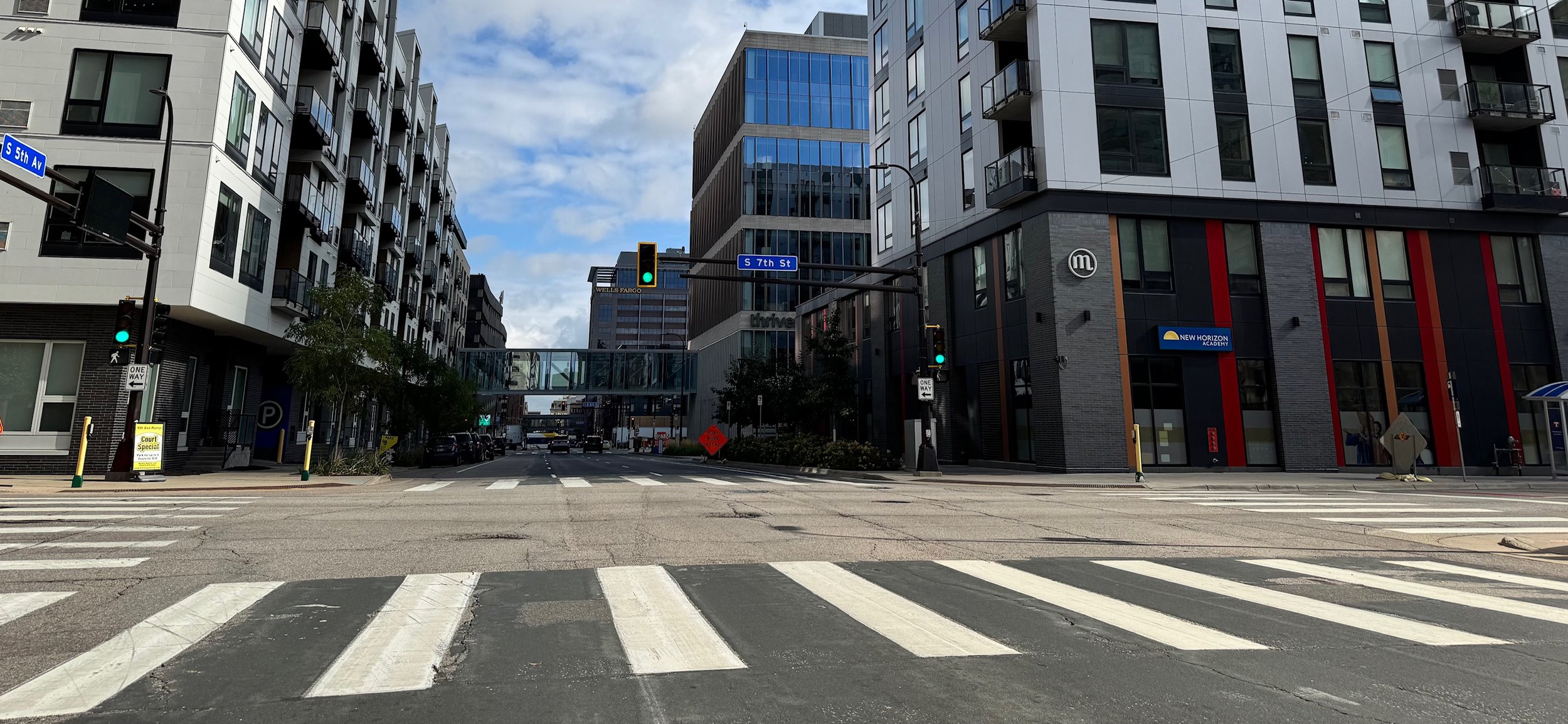
City Driving (One & Two Way Streets, Restricted Lanes)
Ninety-Degree Back-in Parking
Recognizing and Reacting to Potential Roadway Hazards
Suggestions for Future Driving Improvement
Risk Management in Heavy Traffic
Guidelines and Preparation for Scheduling the Road Test
Building Confidence